Who we are
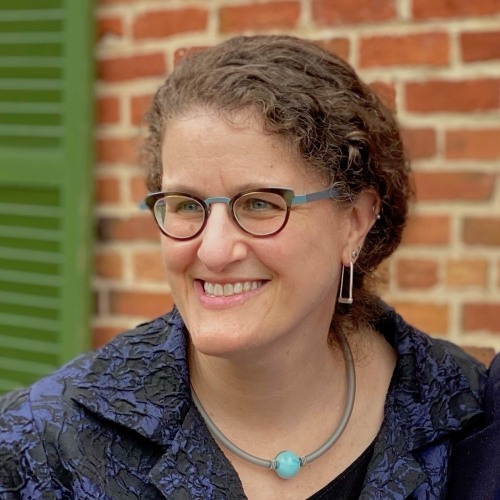
The course will be led by Drs. Elizabeth (“Beth”) Cameron and Wilmot James. Both Drs. Cameron and James have decades of experience in biosecurity, biological threat reduction, global health security, and biodefense. In addition to the primary instructors, the course will also feature experts from international organizations such as the the Africa CDC Biosafety and Biosecurity Initiative, the Coalition for Epidemic Preparedness Innovations (CEPI), the International Biosecurity and Biosafety Initiative for Science (IBBIS), Science for Africa Foundation, and other relevant institutions, who will provide perspectives, guest lectures, be available for consultation on panels, and participate in interactive exercises throughout the course.
Who should apply
Rising African post-graduate leaders trained in the biological sciences, biotechnology, international security, and/or public health with a shared vision of reducing bio-threats on the African continent are encouraged to apply. Application requirements include:
- A Resume or Curriculum Vitae (no more than 5 pages)
- A Statement of Interest
- Length: No more than 1,500 words
- Prompt: Please describe your interest in biological threat reduction policy and how this course aligns with your academic training, professional goals, and commitment to strengthening biosecurity, biosafety, and policy capacity in Africa.
- Please also address the following policy questions:
- What do you see as the most pressing biological threat facing your country, region, and/or the world and why?
- How can scientific expertise be better integrated into biological threat reduction policymaking in Africa?
- Describe a situation where science and policy were misaligned for biological threat reduction. What could have improved the outcome?
- Please submit a short video statement of no more than 2 minutes
- Prompt: Why do you want to participate in this biological threat reduction course (and, if applicable, fellowship)? How will you use this training in your future?
Applications are due on March 30, 2026 at 11:59 PM EST. Please email your application package to Amanda Cogan (amanda_cogan@brown.edu). A total of no more than 30 students will be selected to participate in the course. Prospective students also are encouraged to apply to the 12-month Strengthening Biological Threat Reduction Capabilities Across Africa Fellowship, which will feature 3-5 students who will devote at least 50% of their time toward launching a focused initiative towards implementation of a specific threat reduction policy or protocol in Africa during academic year 2026-2027, in partnership with a relevant host institution. For more information on the fellowship program, including application requirements, please see the Fellowship Information sheet. Applications for the fellowship also are due on March 30, 2026 at 11:59 PM EST and must be submitted via Brown’s application platform: https://apply.interfolio.com/182841
When and how the course will be taught
This 9-10 week course will be taught online. Classes will be held every other Thursday from 1600 - 1830 West Africa Time (GMT+1). The first class will be held on May 21, 2026. The last class will be held on September 17, 2026.
What will be required of course participants
Students are expected to attend all scheduled courses virtually and complete readings prior to each class. Each class will consist of a combination of lectures, panels, class discussion, student Q&A with experts in the field, and applied activities, including tabletop exercises. Active participation in these activities is required for successful completion of the course. In addition to attending each class, students will also be required to complete four assignments, including a case study of a historic deliberate or accidental biological event, two interactive simulation exercises, and a policy memorandum focused on a biological threat reduction solution geared toward an African decision-maker. Students will be expected to spend 2.5 hours per week in class (22.5 total hours) and up to 3 hours per week on course readings and assignments (27 total hours), for a combined total of up to 49.5 hours. The course will be graded on a pass/fail basis.
What topics will be covered
The course will be taught by experts in biosecurity, biosafety, biological threat reduction, public health, global health security, biotechnology, artificial intelligence, and biological emergency decision-making from the Brown University Pandemic Center and beyond. Course topics will include:
- Emerging biothreats, including deliberate and accidental outbreaks
- Biosecurity decision-makers on the African continent
- Biothreat reduction policies and programs
- Artificial intelligence (AI) and its intersections with biosecurity policy
- CEPI’s 100 Days Mission, medical countermeasure development, and equitable access
- Dual use research of concern and mirror life
- Early warning systems and attribution
What will students receive at the end of the course
Upon successful completion of the course, students will receive a digital badge through Credly. This digital badge can be added to email signatures, resumes, and social media sites to showcase your achievement. More information about Credly digital badges from Brown University can be found here.
Contact us
If you have questions about the course or fellowship, please contact the course facilitator at amanda_cogan@brown.edu. Please note we will not be able to hold individual information sessions with prospective students.